


Kachin is a warrior tribe, live in China and Myanmar. Our Combat Bando systems is based on Kachin and Shan Martial arts. Shan is another tribe live in China, Myanmar and Thailand. It is great to see Phil Dunlap promoting our Kachin Martial Arts in the USA.
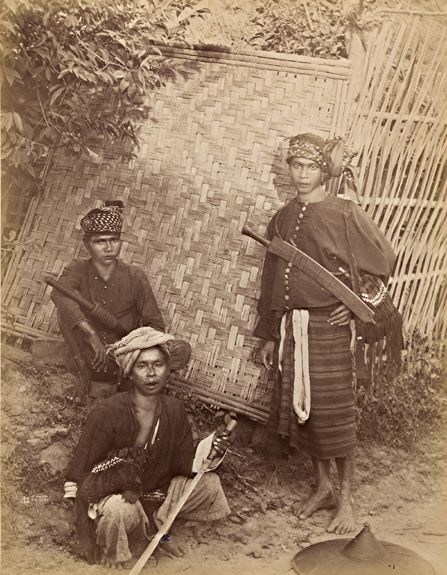
Kachin Warriors
.jpg)
Shan Warrior
Thaing is a Burmese term used to classify the indigenous martial systems of ancient Burma (now Myanmar) , the Kachin (Jingpaw) term for Thaing is Hkyen. The word “thaing” loosely translates to “total combat.” Moreover, as the loose translation stipulates, the label encompasses the range of combatives that have been systematized in Burmese martial tradition: Bando, Banshay, Lethwei, Naban, and other ethnic or tribal fighting systems native to the region. Beyond the martial elements of thaing, practitioners are enjoined to incorporate ethical principles such as humility, patience, tolerance, integrity, loyalty, courage, knowledge, physical and spiritual strength, and love of family. Traditional styles are sub-divided into systems or forms named for (and adopting the mythical characteristics of) animals such as the boar or the python.
Kachin animal systems embody both the physical and mental attributes of the animal described. Systems are further tied into human attributes as well, because it is believed that a fighting method must fit the individual’s nature rather than forcing the individual to adopt and conform to the system. As an example, the Bull system with its “charging, tackling, [and] power striking” is for a big, strong, aggressive person who likes to deliver punishment to an opponent, but does not mind receiving punishment in return. In a confrontation, the Bull will attempt, as far as possible, to remain at a distance from an opponent until the opportunity to deliver a devastating attack arises. The Boar is a smaller, quicker version of the Bull who attempts to get inside and work from clinching range. Lethwei is therefore said to be a combination of the Bull and Boar sets. Nevertheless, neither Bull nor Boar is simply a form of standup striking; they incorporate ground fighting as well. However, the ground fighting in these sets seeks less to grapple than to pin the enemy to the ground so that he can be struck at will. Thus during a takedown, bodyweight drives through the opponent’s legs and torso along with twisting and lifting slams. In contrast, there are several Snake systems that are very supple, quick and relaxed. For example, the Python subset is grappling intensive. Here the purpose of strikes is to stun so that the opponent can be taken to the ground for the finishing techniques. Python takedowns rely primarily on imposing one’s body weight on an opponent. The Kachin style also includes a “Monk” system, which utilizes internal martial methods and yogic practices.
http://www.thaing.net


